A couple of toy figures sitting at a desk with a laptop. The scene is indoors, with a computer on the desk and a wall and floor in the background.

Online website builder – advantages and disadvantages

Page builders have revolutionized web development by making it easier for individuals without coding skills to create websites.

They operate entirely through a web application, eliminating the necessity of installing any software on your device.

They offer a variety of features, including drag-and-drop interfaces and customizable templates. This simplicity makes it useful for users with varying degrees of technical ability, from beginners to experienced designers.

There is also the other side of the coin of page builder solutions – limitations. And in this article, we will share our experiences while working with page builders.

Avoid page builders? Use page builders? Let’s dive into the details.

Continue reading “Online website builder – advantages and disadvantages”
A person using a tablet indoors. The person is interacting with the device, reading and typing messages on the chat app.

Making chatbots accessible: a guide to enhance usability for users with disabilities

Previously, we discussed the Urgent Need for Chatbots to be Accessible. In this piece, we are taking a deep dive into actions one can take to enhance the accessibility of chatbots for users with disabilities. In order to meet that end, programmers can implement several specific strategies that address visual, auditory, motor, and cognitive impairments. This guide offers detailed instructions, practical code examples, and tool recommendations to make chatbots more accessible.

Let’s get started.

Continue reading “Making chatbots accessible: a guide to enhance usability for users with disabilities”
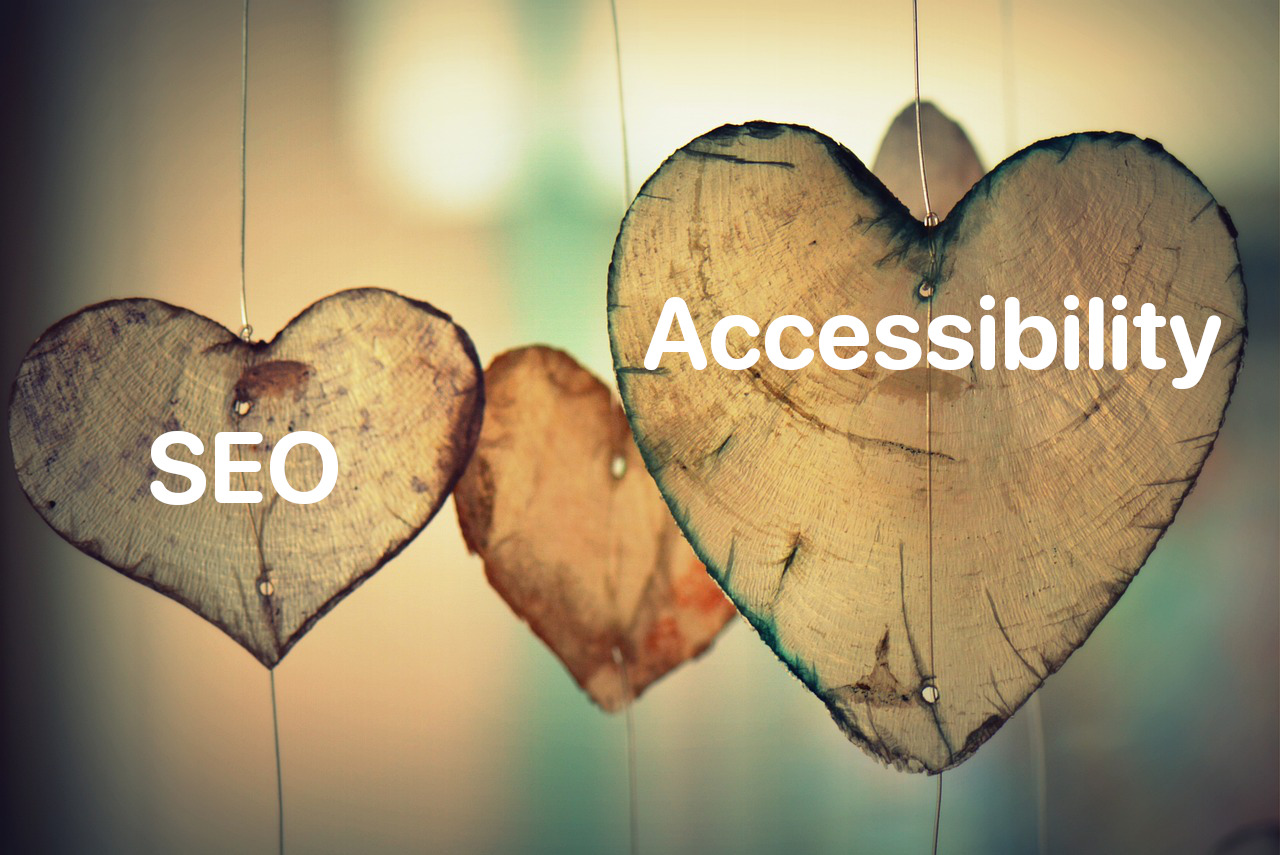
Two wooden hearts with the words: SEO and Accessibility

The intersection between SEO and Digital Accessibility

Making sure your website is accessible to everyone is important not just for fairness, but also for improving its online presence. Accessibility isn’t just a fancy extra feature, it’s a crucial part of creating a good website. When you focus on making your site accessible, you also improve its chances of being found by search engines, which benefits both your users and your site’s ranking. In this article, we’ll explore how accessible design practices directly improve SEO performance across five key areas.

Continue reading “The intersection between SEO and Digital Accessibility”
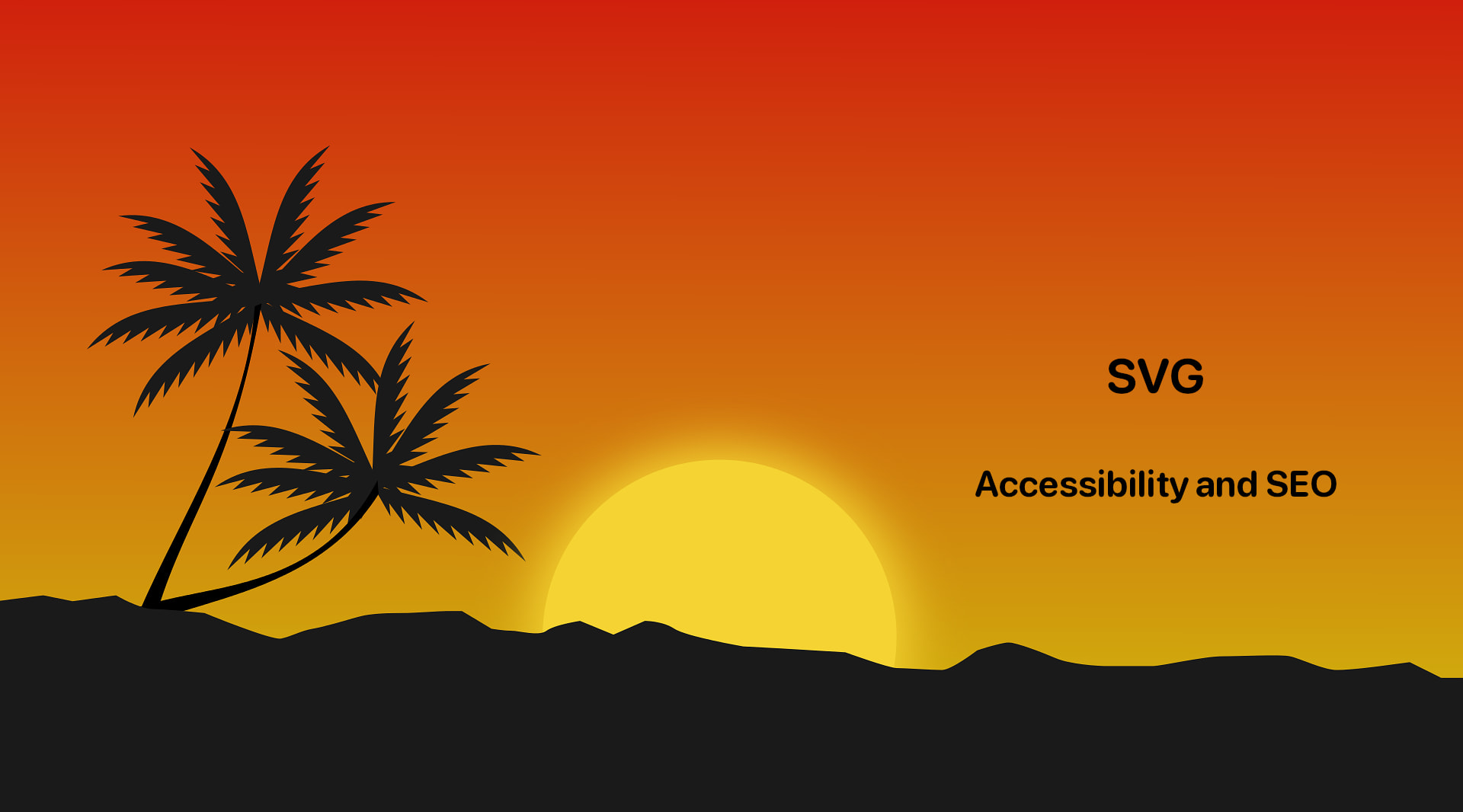
The sun setting behind the mountains. Two palm trees and the inscription "SVG, Accessibility and SEO" in the background.

Accessible and SEO friendly SVGs

Making SVGs accessible is important to ensure that all users, including those with visual impairments, can access and understand the content of svg images. While accessibility primarily benefits users with disabilities, it can also indirectly contribute to SEO through improved user engagement and the presence of indexable text within inline SVGs.

Continue reading “Accessible and SEO friendly SVGs”
A person on the background of a puzzle

Designing for dyslexic users

Did you know that optimizing your digital content for dyslexic users may not only boost your website’s accessibility but also increase your customer base? With an estimated one out of ten people having dyslexia, that’s roughly 780 million people worldwide (1 out of 10 people have dyslexia) who could benefit from dyslexia-friendly design.

Dyslexia is a specific learning disability characterized by difficulties with accurate and/or fluent word recognition and poor spelling and decoding abilities. To ensure that your content is inclusive and accessible, consider implementing certain design considerations.

Continue reading “Designing for dyslexic users”
2 houses covered in snow

3 simple tips to make text over image more readable

If you add text over an image, make sure there is enough contrast to make it readable. Subtle changes may be made to boost contrast without changing the overall aesthetic of the site.

The Web Content Accessibility Guidelines (WCAG) is an internationally recognized standard created by the World Wide Web Consortium (W3C), and WCAG calculates it as a ratio describing the relative luminance of the text and background.

Let’s then see 3 tips to make text over image accessibility better in HTML using CSS.

Continue reading “3 simple tips to make text over image more readable”